Business cards have long been a simple and efficient way to share contact information worldwide. From Chinese calling cards in the 15th century to European trade cards in the 17th century, they’ve evolved into more than just carriers of information.
Despite the internet’s global reach, business cards remain crucial, especially in international business. They not only provide contact details but also serve as physical reminders of interactions.
However, the rules and customs of exchanging visiting cards vary across cultures. How you present your card can leave a lasting impression, positively or negatively.
To help you understand this international landscape, we’ll explore the basics of business card etiquette and share our top business card etiquette tips from around the world.
What is business card etiquette?
Business card exchange etiquette is about how you give and receive business cards during professional interactions, and it’s all about presenting yourself professionally.
It varies based on culture and context, but it typically involves how you present your card, and what you do after receiving one. It’s important because it builds positive relationships and shows professionalism and respect.
How are visiting cards used in different cultures?
Visiting cards serve a universal purpose of introducing oneself and exchanging contact information.
In countries like the US, UK, and Australia, they’re mostly about sharing contact details without much formality. But in places like Japan, China, and the Middle East, exchanging cards is a ceremonial affair, reflecting the respect and status of the individuals involved.
- Asian business card etiquette
- Business card etiquette in China
- Japanese business card etiquette
- Business card etiquette in India
- Business Card exchange rules in USA
- Middle east business card etiquette
- Business card etiquette in Europe
- Business card etiquette in Korea
- Business card exchange rules in Australia
- General business card etiquette tips
Asian business card etiquette
Asia is incredibly vast and diverse, so there’s no single rule that applies to every country in the region. In places like Japan and China, respect and hierarchy carry significant weight compared to Western cultures.
In these cultures, showing respect means following the rules, from presenting your card to handling it afterward.

Business card etiquette in China
Understanding and adapting to local customs is essential in Chinese business etiquette. For example, presenting a card with only English to a Chinese associate can damage your relationship.
That’s why it’s important to have cards with details in both English and simplified Chinese. If you’re visiting Taiwan or Hong Kong then traditional Chinese language is preferred.
Here are the steps to follow when presenting your business card in China:
- Exchanging cards is a formal affair, done with both hands and often while standing.
- Upon receiving a card, take a moment to examine it before placing it on the table or in a holder.
- Present your card with the Chinese characters facing up.
- Bow slightly when exchanging cards.
- Feel free to ask a relevant question about the card.
- Avoid placing the card in your pocket or writing on it upon receiving it.
Japanese business card etiquette
In Japan, visiting cards, also referred to as ‘Meishi,’ play a vital role in Japanese business rituals. The proper exchange of Meishi is crucial for demonstrating etiquette, and the manner in which they are presented can significantly impact business relationships.
Japanese business card social rules follows a hierarchical structure, with individuals of higher rank initiating the exchange, gradually progressing to those of lower rank. As it’s customary to exchange cards with everyone present in a meeting, it’s essential to ensure you have an adequate supply on hand to avoid running out.
There are very few formal rules associated with the exchange of visiting cards in japan:
- Present your card with a bow, similar to a handshake.
- Hold your card out in your right hand, ensuring all text and logos are visible.
- Make sure the Japanese side of the card is facing up and towards the recipient.
- Take time to read and understand the information on cards you receive.
- Don’t hesitate to ask for help pronouncing names if needed; it’s not considered rude.
- Avoid putting business cards in your pocket or wallet, as it may seem disrespectful.
- Carry a cardholder to keep received cards in pristine condition, especially when travelling in Japan.
Related: A Brief History of Business Cards
Business card etiquette in India
In India, while business card manners may be less rigid compared to other Asian countries, adhering to certain customs remains essential:
- Ensure you have an adequate stock of cards to avoid the possibility of running out, which could be perceived as disrespectful.
- While handshakes are prevalent, be sensitive to gender and religious norms. In situations where a handshake may not be appropriate, consider using the traditional greeting of “Namaste.”
- Demonstrate respect for hierarchy by greeting the most senior individual first, addressing them by their title and last name unless invited to use their first name.
- When exchanging cards, extend yours with your right hand, ensuring the text is facing the recipient for easy readability.
Business Card exchange rules in USA
In the US, while business card protocol is more relaxed compared to other countries, it’s still essential to make a positive impression with new clients:
- Keep your cards clean, neat, and crisp, and consider using a business card case for protection.
- Timing matters when handing out cards at networking events; wait for the conversation to shift to business to avoid being pushy.
- When receiving a card, take a moment to read it and inquire about their business before storing it away. It’s acceptable to jot down notes on the card in the US.
- To personalise interactions, consider including additional contact details on your card, like a personal phone number or email address.
- In meetings with senior authorities, wait for them to offer their cards before presenting yours.

Middle east business card etiquette
Business etiquette in the UAE and the Middle East combines elements from both Asia and Europe. While the exchange of business cards is less formal compared to some Asian cultures, it’s still important to maintain professionalism.
It’s advisable to have visiting cards printed with information in both Arabic and English, reflecting the linguistic diversity of the region. Similar to customs in Japan, it’s customary to freely distribute business cards as a friendly gesture to clients, colleagues, or fellow business visitors encountered during your trip.
In all Middle Eastern countries, it’s crucial to present your business cards with your right hand, as offering them with your left hand can be perceived as highly disrespectful.
Business card etiquette in Europe
Business card customs differ across europe, and while they’re not always strict, it’s important to follow specific rules based on your meeting location.
- Italians appreciate translated cards and expect information about your college degree to be included.
- In the UK, business cards are exchanged casually, usually towards the end of meetings, as a polite way to conclude discussions. Always ask for your associate’s card before offering yours.
Business card etiquette in France
In France, it’s advisable to print bilingual business cards, featuring one side in your native language and the other in French. Additionally, ensure your surname is prominently displayed in capital letters to enhance visibility.

Business card etiquette in Germany
In Germany, business cards are personal and contain confidential contact details. Carry a few well-designed cards and exchange them selectively with individuals you’ve developed personal relationships with, rather than distributing them widely at networking events.
Business card etiquette in Korea
Business cards in Korea follow specific etiquette:
- Stand up when exchanging cards as a sign of respect.
- Use both hands to give or receive cards, or offer them with your right hand.
- Avoid using your left hand, which can be seen as impolite.
- Exchange cards individually, refraining from inviting others to take from a stack.
- In formal settings, place received cards face up on the table and refer to them when addressing the individual.
- While Korea is more relaxed than China and Japan regarding card etiquette, it’s still respectful to refrain from writing on someone else’s card.

Business card exchange rules in Australia
In Australia, it’s crucial to be selective when handing out your business card, offering it only to those who show genuine interest. Oversharing can be perceived as spam-like behaviour. Keep your card concise and focused on facts and figures rather than emotions.
When presenting your card, wait until the end of your conversation, and consider writing down a personal note or mentioning a topic discussed to ensure your interaction stays memorable.
General business card etiquette tips
Here are some general tips on business card manners:
- Always have an ample supply of business cards, as they are universally recognized for sharing personal contact information.
- Demonstrating good business etiquette reflects positively on your professionalism.
- While not always disastrous, failing to follow foreign business customs can impact business relationships.
- When travelling abroad, consider translating one side of your card into the appropriate language.
- Exchange cards either at the beginning or end of an initial meeting.
- Present your card with the recipient’s language facing up, as a sign of respect.
- Take the time to study and comment on received cards before storing them away, ensuring you understand and acknowledge the information provided.
Need business cards for your next trip?
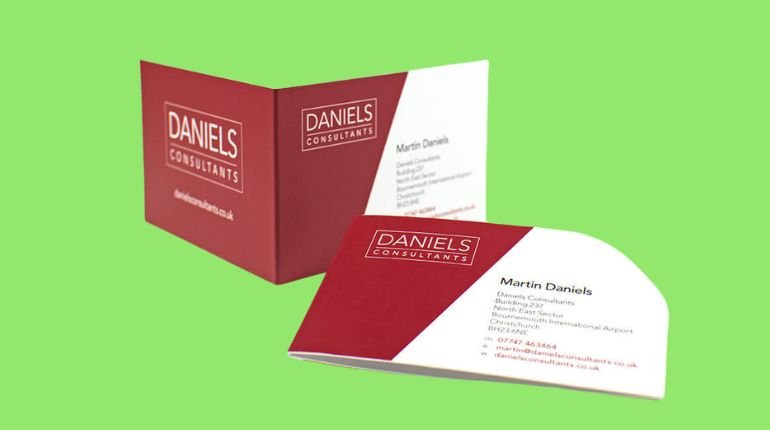
A professional and reliable visiting card is essential for making a strong impression on business contacts worldwide. That’s why investing in the best designs and high-quality printing is crucial.
After all, your visiting card represents you and your brand, making it a valuable asset in every interaction. Start designing your business card with Print to Brand’s custom printing service and ensure you leave a lasting impression.